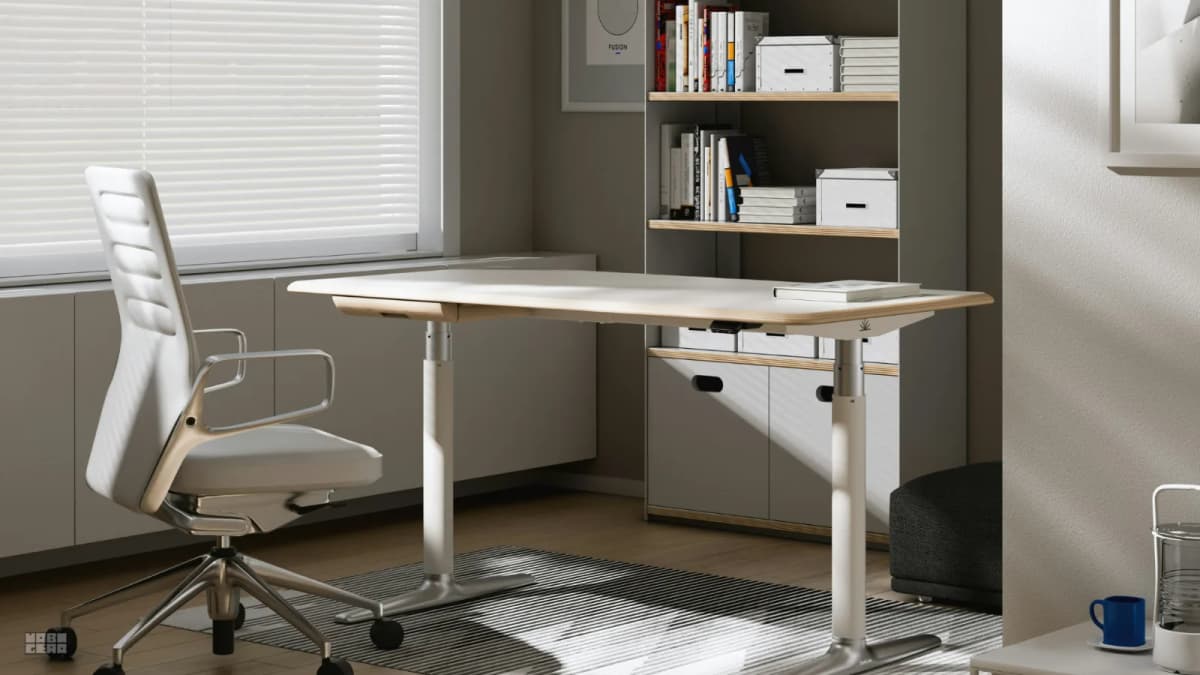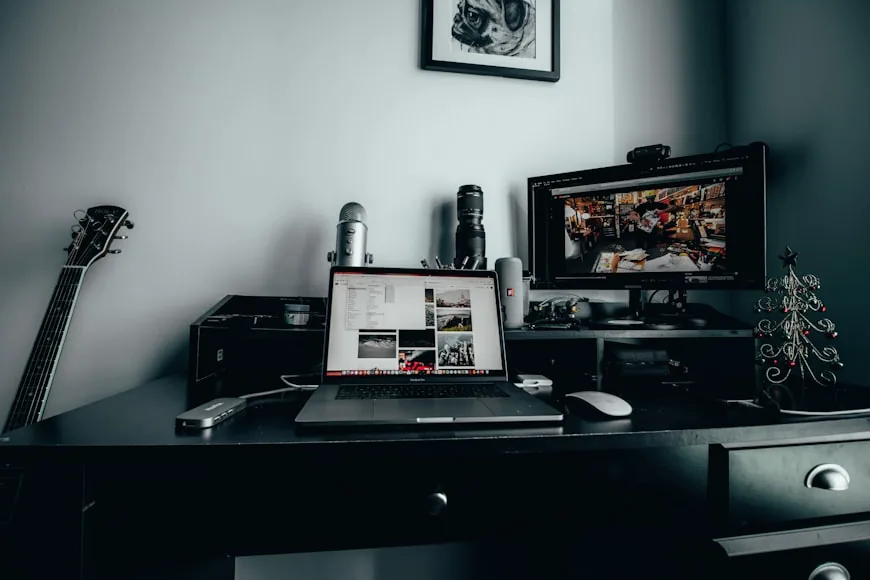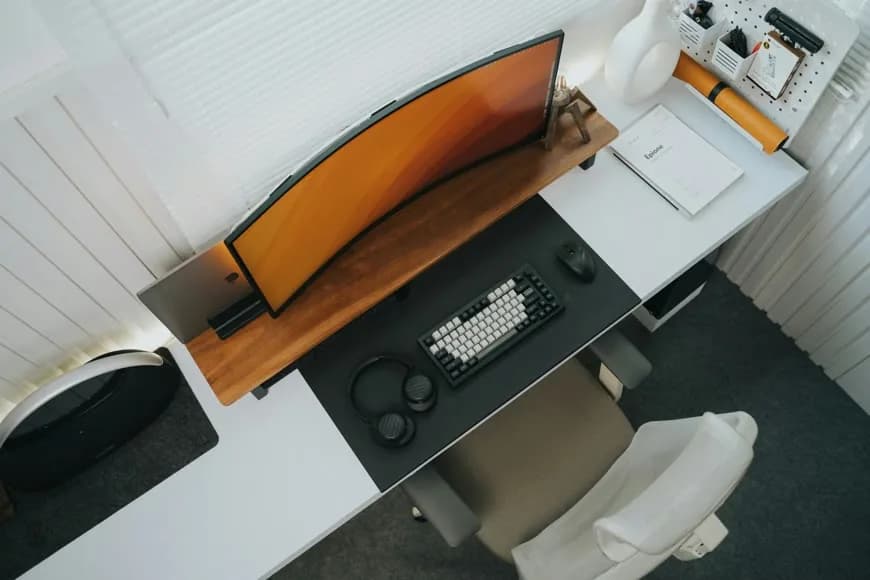

A desk setup usually feels premium long before it feels expensive.
That difference rarely comes from stacking upgrades until the desk looks equipped. It usually comes from editing the setup until the cheap-looking decisions disappear.
Too many objects fighting for attention, too many finishes with no relationship to each other, too much visible cable clutter, and too much gear trying to prove something all push a setup in the wrong direction.
The desks that read as expensive usually feel considered before they feel upgraded. Someone decided what mattered, what could stay visible, and what had no right to live on the desk at all.
So this is less an article about luxury than one about restraint.
Premium does not mean “more”
This is the first reset worth making.
A premium setup is not automatically:
larger; darker; more accessorized; more technical-looking; filled with premium-branded objects.
In fact, those are some of the fastest ways to make a desk feel more expensive in cost and cheaper in taste.
A premium-feeling setup usually gets four things right:
the main working zone looks calm; the lighting feels intentional; the materials and shapes do not fight each other; the ugliest infrastructure stays out of sight.
Everything else is secondary.
The main surface has to look like it knows what its job is
Cheap-looking desks often fail in one obvious way:
the center of the setup looks undecided.
The monitor sits there. The keyboard half-fits. The mouse is surviving in a leftover gap. The notebook, chargers, lamp base, and “temporary” items all became permanent residents.
That does not feel premium, even if every object is individually nice.
A premium desk usually has one readable center of gravity:
screen; keyboard; mouse; one believable side zone if the work really needs it.
That is why premium is often a spacing decision before it is a shopping decision.
If the desk cannot keep the front-center zone calm, the rest of the setup will never look truly settled.
That is exactly where Why more desk accessories rarely fix the real problem and How to set up a small desk without losing usable space still matter so much.
Lighting does more of the “expensive” work than people think
People often try to create a premium feel with materials first.
The smarter move is usually lighting.
Not brighter lighting. Better contrast. Better warmth. Better control.
A premium-looking desk at night usually has:
one clear task-light source; one softer supporting layer; less harsh jump between the screen and the rest of the room.
That is why badly placed lighting can make a nice setup feel immediately cheaper:
one cold overhead light flattening everything; one bulky lamp base stealing the best corner; glare forcing the monitor into a worse position; accent lighting trying to do the job of actual task light.
If the lighting still feels random, the setup will too.
That is where Warm lighting ideas for a more premium workspace and Do you need a monitor light bar if you already have a desk lamp? are the right follow-ups.
Materials matter, but consistency matters more
This is where a lot of setups quietly go wrong.
People chase “premium materials” one item at a time:
a walnut accessory; a black aluminum stand; a white plastic lamp; a leather desk mat; a mesh chair.
Each piece may be good on its own.
Together, they can still feel scattered.
A premium setup usually wins by repeating a smaller set of signals:
one or two dominant finishes; one clear metal tone; one repeated shape language; a limited number of materials that feel deliberate together.
It does not have to be monochrome.
It just has to stop looking accidental.
That means a more modest setup with:
one wood tone; one matte metal tone; one controlled fabric or soft surface.
often reads better than a more expensive setup with too many ideas happening at once.
Visible infrastructure is what makes a setup feel unfinished
This is the quiet killer.
You can have a good chair, a good desk, and a decent screen.
If the setup still shows:
cable slack; hanging bricks; temporary chargers; adapters living on the surface; hardware spilling out from under the desk.
it stops feeling premium very quickly.
This is one reason “premium” and “minimal” overlap more than people expect. It is not because premium setups are empty. It is because the infrastructure has been disciplined.
That usually means:
fewer visible cables; one charging zone instead of three; under-desk hardware used sparingly; no random utility objects permanently camped near the keyboard.
If you can only afford one visual improvement, cleaning up the visible infrastructure often does more than a decorative upgrade.
Premium setups edit the object count ruthlessly
This is probably the least glamorous rule and the most important one.
Most desks do not feel cheap because they lack one expensive object.
They feel cheap because they are carrying too many mid-importance objects all at once.
That usually looks like:
every category wants a dedicated object; every object wants permanent surface rights; nothing earns its footprint anymore.
The better question is:
what deserves to stay visible every day?
That is the question premium setups answer much better than average ones.
They make fewer things feel permanent.
That does not mean the desk has to look empty.
It means the desk should stop looking like storage for unresolved decisions.
Where money really changes the feel
If you are spending, the highest-value places are usually:
lighting that improves atmosphere without stealing space; one support fix that cleans up the monitor zone; one chair or desk improvement that corrects the silhouette of the setup; one cable or charging solution that removes visual mess at the source.
The lowest-value places are usually:
duplicate organizers; decorative upgrades that sit on top of structural clutter; accessories bought before the desk layout is believable; “premium” items that only add weight, not clarity.
That is why What should you upgrade first if you only have $300 to improve your setup? matters here. Premium feel is not about how much money touches the desk. It is about whether the money lands in the one place that changes the read of the whole setup.
The setups that feel expensive usually know when to stop
This may be the whole article in one sentence.
The best setups stop.
They do not keep upgrading just because another category exists. They do not keep filling every blank corner. They do not confuse visible effort with better taste.
They decide:
what the desk is for; what the room should still feel like; what gets to stay visible; what gets hidden.
That is what makes them feel finished.
If you want one practical rule
Before you buy anything meant to make your setup feel more premium, ask:
Will this make the desk calmer, clearer, or more resolved from three feet away?
If the answer is no, it is probably not a premium upgrade.
It is probably just another object.
Related reading
- What should you upgrade first if you only have $300 to improve your setup?
- Warm lighting ideas for a more premium workspace
- Why more desk accessories rarely fix the real problem
- Desk accessories that keep a workspace clean and minimal
- How to work from a bedroom without making it feel like an office
- How to set up a small desk without losing usable space