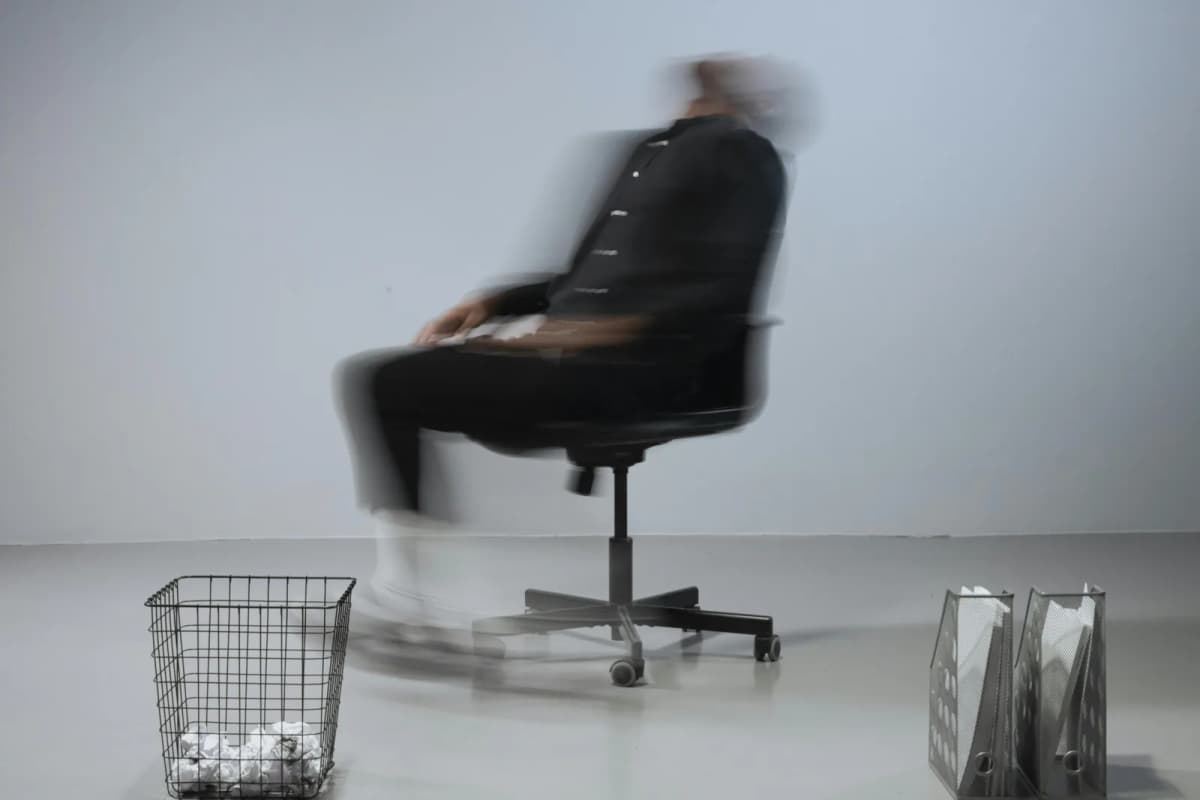

If a chair feels acceptable at 9 a.m. and noticeably worse by 3 p.m., the chair usually is not "wearing out" during the day.
What is really happening is that your body is compensating in the morning and losing that tolerance later. Pressure builds, posture drifts, and small setup mismatches become impossible to ignore.
That is why afternoon discomfort is such a useful signal. It often reveals the real problem more clearly than the first hour ever does.
The pattern to listen for
Do not start by asking whether the chair is “good” or “bad.” Start by asking what becomes hardest to tolerate once your body stops compensating.
The first discomfort that shows up is almost always the most useful clue.
Think of it like this: the morning is when your body is still willing to negotiate. The afternoon is when it stops. That is the moment the real mismatch shows up.
If your lower back fades first
This is one of the most common afternoon patterns.
You start the day sitting back properly. Then the seat edge, lumbar shape, or desk position gradually pulls you out of that posture. By mid‑day you are perched forward, the backrest is no longer supporting you properly, and your lower back is doing more of the work.
That usually means one of three things: the seat is too deep, the lumbar support lands in the wrong place, or the desk forces you to lean forward to reach the keyboard.
The practical test is simple. Sit fully back and see whether you can stay there for more than a few minutes without feeling pushed forward. If you cannot, the chair is not really fitting your working posture.
If this is your pattern, the chair often feels “fine” when you first sit down and then quietly stops doing the job once you start working. That is not a mystery. It is a fit issue hiding behind good first impressions.
If that sounds familiar, Why your expensive ergonomic chair still feels wrong is the best next read.
If the backs of your thighs feel loaded by afternoon
Seat‑depth problems often show up later because pressure needs time to build.
If the seat is too deep, the front edge starts pressing behind the knees and the easiest escape is sliding forward. If it is too shallow, your legs never feel settled and you end up holding tension instead of resting into the chair.
By afternoon that feels like the chair “lost comfort,” but the real issue is that the seat never matched your body well enough for long sessions.
You should be able to sit back in the chair while keeping a little space behind your knees. If you cannot, that is not a late‑day mystery. It is a fit problem.
If you have to keep readjusting how far forward you sit just to stay comfortable, seat depth is almost always the reason.
Ergonomic chair settings that actually improve comfort is the right follow‑up if this seems likely.
If your shoulders and forearms get heavier first
This is where people misdiagnose the problem all the time.
When the desk is slightly too high, you can tolerate it for a while. Then your shoulders creep upward, your elbows drift out, and the chair suddenly starts feeling tense and unsupportive. But the chair is not the first failure. The desk and input height are.
If your shoulders, neck, or forearms feel more tired than your legs, the desk is often forcing the posture that makes the chair feel worse.
A quick check: lower your chair slightly and rest your forearms comfortably on the desk for two minutes. If your shoulders drop and the strain fades, the desk height or input position is the real culprit.
What to do when your desk and chair height don't match and How to position your keyboard and mouse for shoulder comfort are the most useful next reads in that case.
If it feels fine until after lunch
Armrests cause a surprising amount of late‑day discomfort.
If they are too high, they keep your shoulders slightly elevated. If they are too wide, they pull your arms outward. If they hit the desk edge, they stop you from getting close enough to the keyboard, which means you spend the day reaching instead of settling.
All of that can feel minor early on and then become obvious later. That is why afternoon discomfort often improves just by lowering, narrowing, or temporarily moving the armrests out of the way.
If you are not sure, try working for one hour with the armrests dropped or slid back. If the late‑day tension eases, you have your answer.
If the neck and upper back complain first
A monitor that sits too low, too close, or slightly off‑center can quietly ruin a chair setup.
The reason it shows up later is simple: you can hold a bad head position for a while, but not forever. Once fatigue builds, your upper back and neck start complaining, and the whole chair feels worse even though the root problem is in front of you.
If the discomfort is more neck‑and‑shoulder than hips‑and‑thighs, check the screen before blaming the chair.
If the screen is even a little off center or the top edge is too low, your head subtly leans forward all day. That small lean is exactly what feels “fine” early and painful later.
How high should your monitor be for good posture? and How far should a monitor be from your eyes on a small desk? are the direct follow‑ups.
The fix order that works for most people
Start with the part most likely to explain the time pattern. Make sure your feet stay supported and you can sit fully back without being pushed forward. Then check whether your desk height is forcing shoulder tension or reach. Then lower or move the armrests if they are blocking the desk. Finally reset monitor height and distance if the discomfort climbs upward into the neck and eyes.
That order matters because people often blame the chair first when the chair is only exposing a mismatch somewhere else.
If you only do one thing today, do the test that matches the first symptom you notice. That single clue is usually more valuable than a dozen generic adjustments.
The one habit that still matters
Even a good setup will feel worse if you freeze in one position for too long.
Afternoon discomfort is often partly a fit problem and partly a movement problem. Standing up briefly, resetting your sitting position, and starting the next work block from the back of the chair instead of from a collapsed posture is often enough to tell whether the real problem is the chair or the way the day is unfolding around it.
When to stop troubleshooting with gear
If the pain is sharp, radiates down the leg, includes numbness or tingling, or keeps getting worse no matter how the setup is adjusted, stop treating it like a desk problem. That is the point where a clinician or physical therapist can help rule out an actual injury.