
Premium setups usually feel restrained before they feel expensive. The difference usually comes from a few details that create that effect and the discipline to skip the rest.
By Asikur Rahman

Premium setups usually feel restrained before they feel expensive. The difference usually comes from a few details that create that effect and the discipline to skip the rest.
By Asikur Rahman

If your body hurts, your desk feels cramped, and your monitor sits too low, all three upgrades can sound necessary. The real job is figuring out which problem is limiting the setup first.
By Asikur Rahman

With only $300, the wrong upgrade disappears fast. Put that money toward fit, space, or the one change that improves the whole setup most.
By Asikur Rahman

A pricier chair does not fix a bad fit, a bad desk match, or bad settings. Look first at where expensive chairs still go wrong before assuming you bought the wrong model.
By Asikur Rahman

When desk height and chair height fight each other, people usually blame the chair first. Start by stabilizing the setup before deciding the furniture has to go.
By Asikur Rahman

Back, neck, shoulder, and wrist pain at a desk often get blamed on the wrong piece of the setup. Read the pattern first so the most likely culprit becomes easier to spot.
By Asikur Rahman
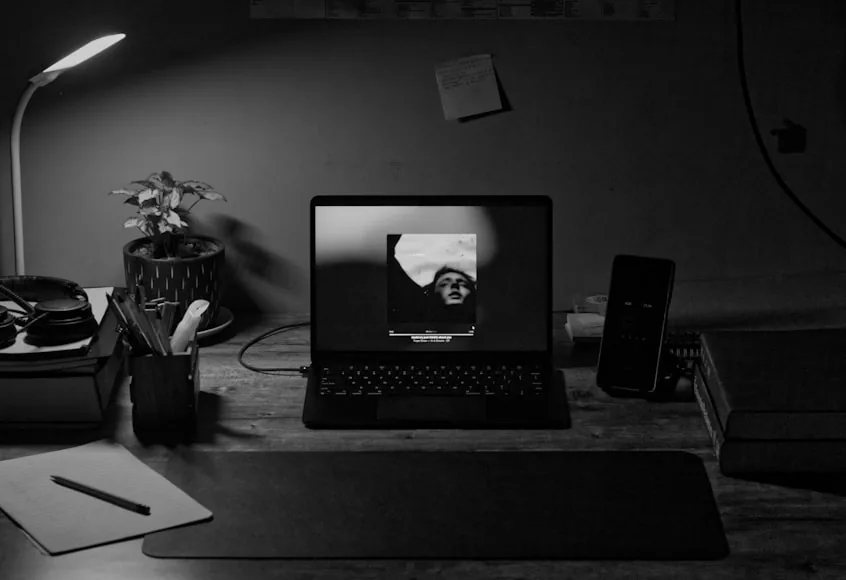
An uncomfortable desk setup can tempt you into changing five things at once. Start with a cleaner order so the biggest problem gets fixed before money goes to the wrong one.
By Asikur Rahman

Some setups look tidy and still drain you by lunchtime. Watch for the subtle friction points that wear you down even when nothing looks obviously wrong.
By Asikur Rahman

Working from a bedroom gets messy when the setup solves productivity but ruins the room. The focus here is boundaries, layout, and visual restraint so the space still feels like yours after work.
By Asikur Rahman

Accessories are great at treating symptoms and bad at fixing root causes. Look instead for whether the real issue is layout, fit, lighting, or workflow.
By Asikur Rahman

All-day comfort usually comes from a handful of things working together, not one perfect product. The pieces here are the ones that support a full day without wearing you down.
By Asikur Rahman

A lot of small home offices feel worse than they should because the wrong compromise gets normalized. These are the mistakes that quietly drag the setup down.
By Asikur Rahman