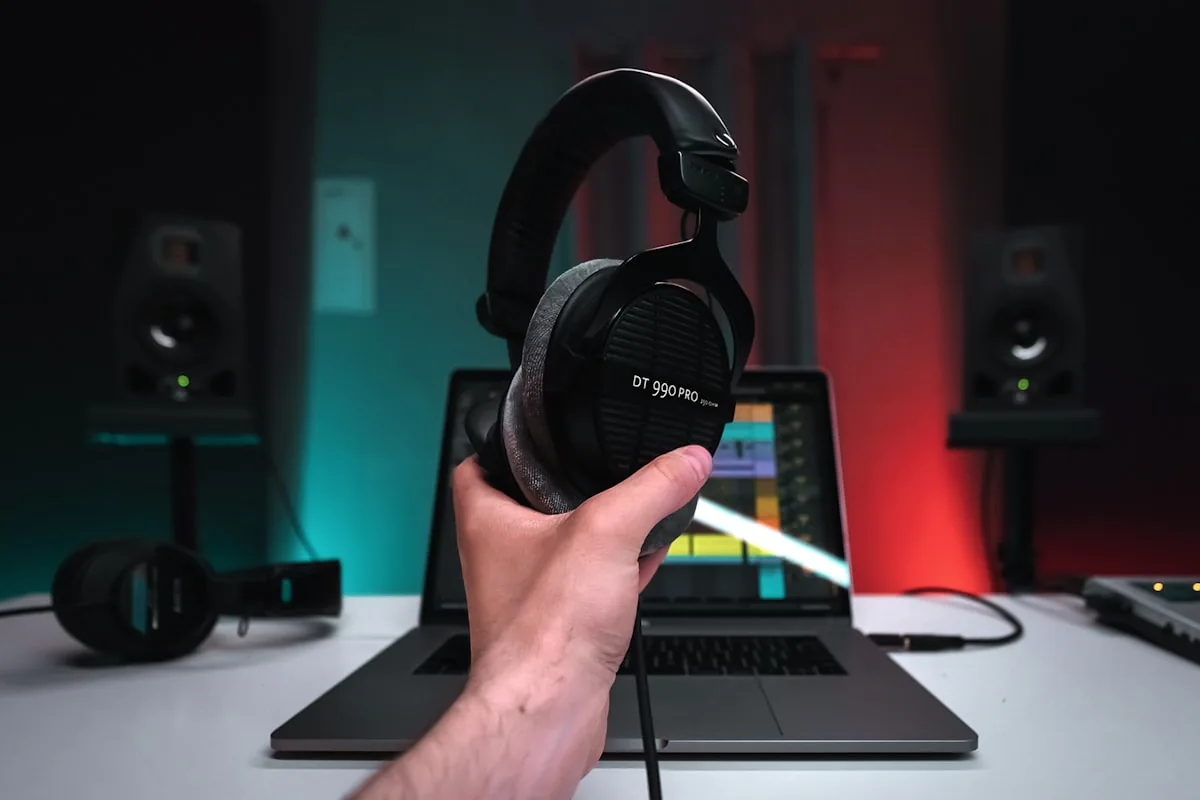
A USB mic can sound better, but a headset is often more reliable. The right choice depends on your room, your desk, and how much setup you actually want before every call.
By Asikur Rahman

A USB mic can sound better, but a headset is often more reliable. The right choice depends on your room, your desk, and how much setup you actually want before every call.
By Asikur Rahman
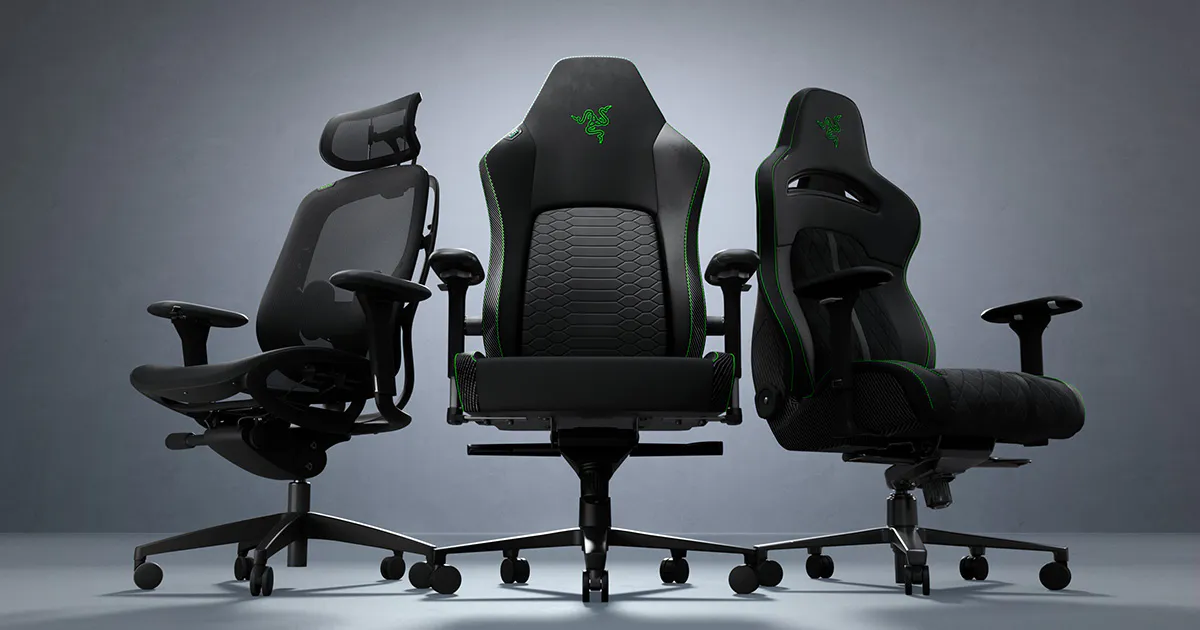
Office chairs usually make more sense for work, but the better answer depends on whether the exact chair lets you stay supported, get close to the desk, and move without fighting the seat.
By Asikur Rahman
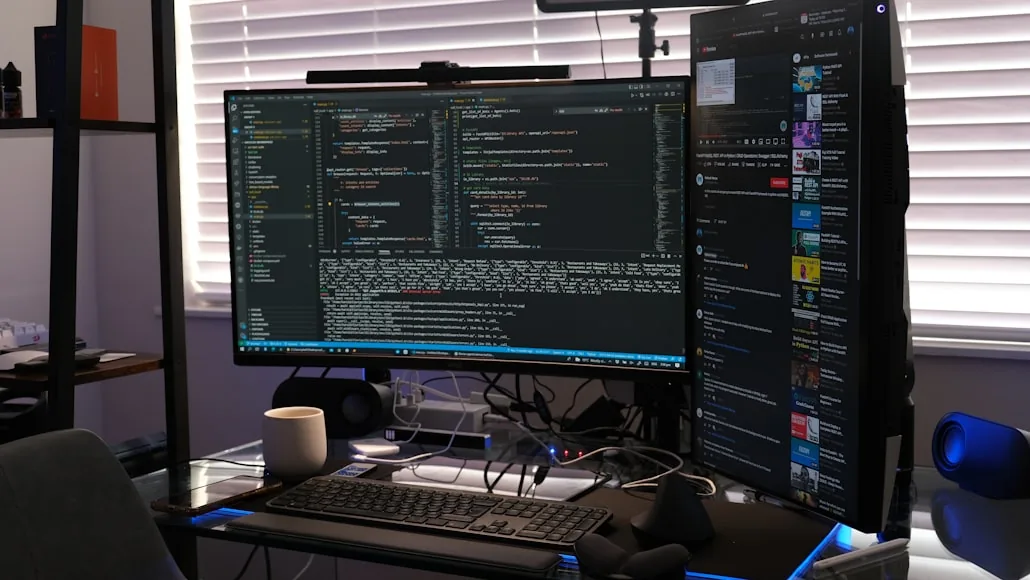
Ultrawide and dual-monitor setups can both work well, but the better choice usually depends on whether you need one centered canvas or two clearly separate working zones.
By Asikur Rahman

A standing desk can be a smart upgrade, but it is usually worth it for better movement variety, not because it magically fixes posture, pain, or a weak setup.
By Asikur Rahman
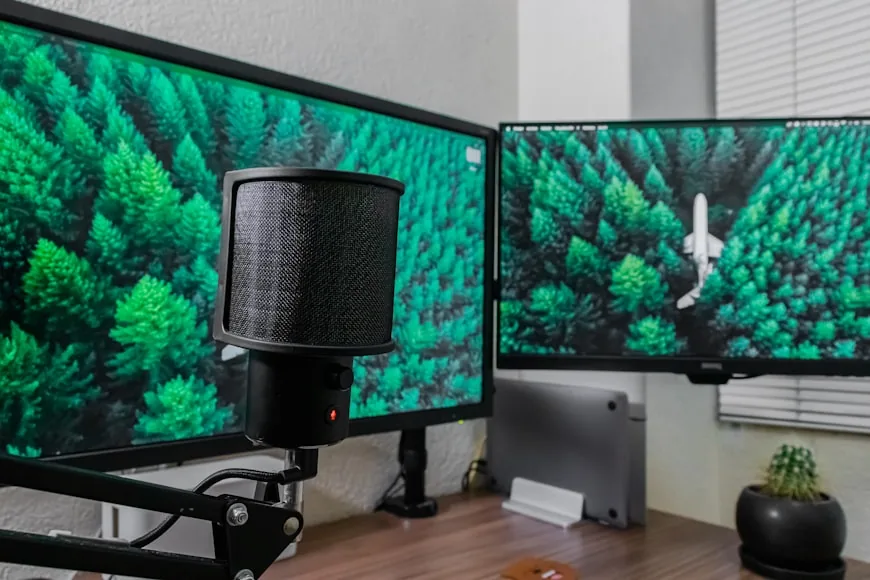
A second monitor can be a real upgrade, but it often gets asked to solve problems that actually come from bad desk depth, weak screen hierarchy, or a crowded working zone.
By Asikur Rahman
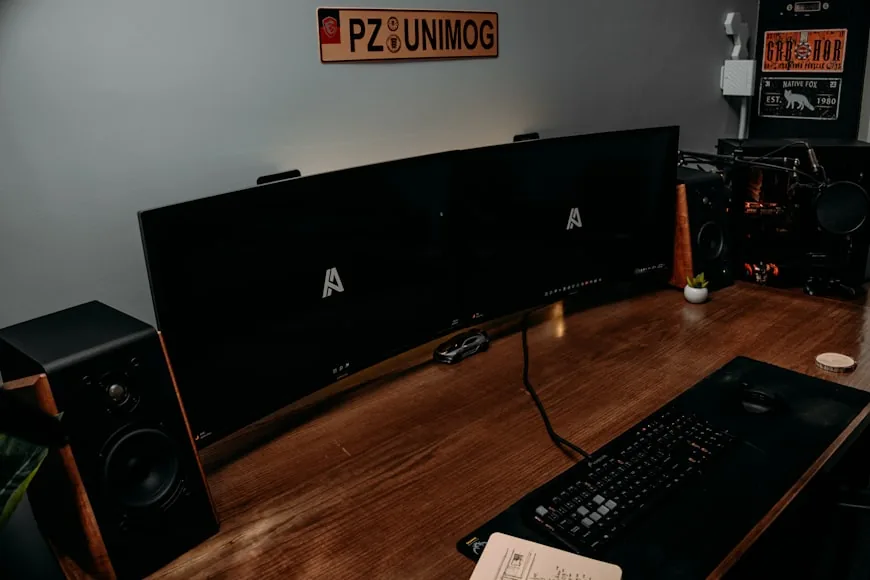
If you want the fast version of monitor ergonomics, this is it: where the top of the screen should land, how far the monitor should sit, and what changes on a shallow desk.
By Asikur Rahman

In a small room, the most disappointing upgrade is usually the one that improves the desk while making the room around it harder to use.
By Asikur Rahman

A stipend is easy to waste when it gets treated like bonus shopping money. The best use is usually the one missing piece that makes your daily setup actually work.
By Asikur Rahman

The first setup regret is usually a purchase that makes the desk look more complete without making it work better. This page stays focused on the lowest-leverage first buys to avoid.
By Asikur Rahman
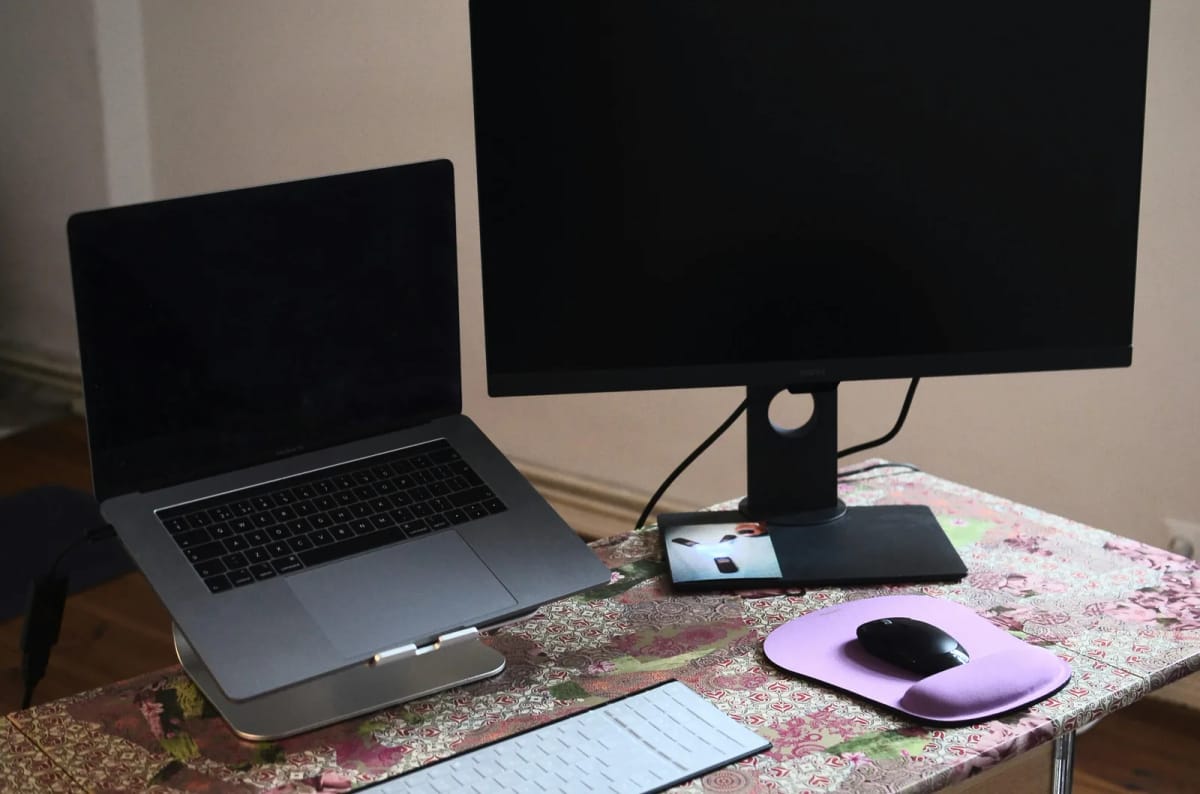
If your monitor and laptop setup keeps pulling your neck, shoulders, or torso off-center, the real issue is usually screen hierarchy or desk geometry.
By Asikur Rahman

If your chair only starts feeling bad later in the day, the problem is usually pressure buildup or setup mismatch, not that the chair suddenly became bad.
By Asikur Rahman

A solid chair does not fix desk mismatch, poor monitor position, or static posture. Start with the root causes that keep desk-related back pain alive.
By Asikur Rahman