
Small-apartment workspaces usually fail for one simple reason:
they are asked to behave like a separate room when they are really part of a room that is already doing three other jobs.
That is why the best apartment setups do not start with a shopping list.
They start with a few stricter rules:
keep the footprint believable inside the room you already have; keep the work surface usable for real daily work; keep the setup visually quiet enough that it does not dominate the apartment when you are off the clock; use storage and lighting in ways that do not ask for extra floor furniture.
That is the real challenge here.
The goal is not to make a tiny corner look like a fake Pinterest office. The goal is to make it work well enough that you can actually sit there every day without the whole apartment feeling hijacked by desk gear.
This page is about living with a workstation inside a multi-use apartment room. If you are still in the measuring-and-buying phase, Plan a workspace in a small room is the better starting point.
Quick answer
If you want the fastest apartment-safe formula, use this:
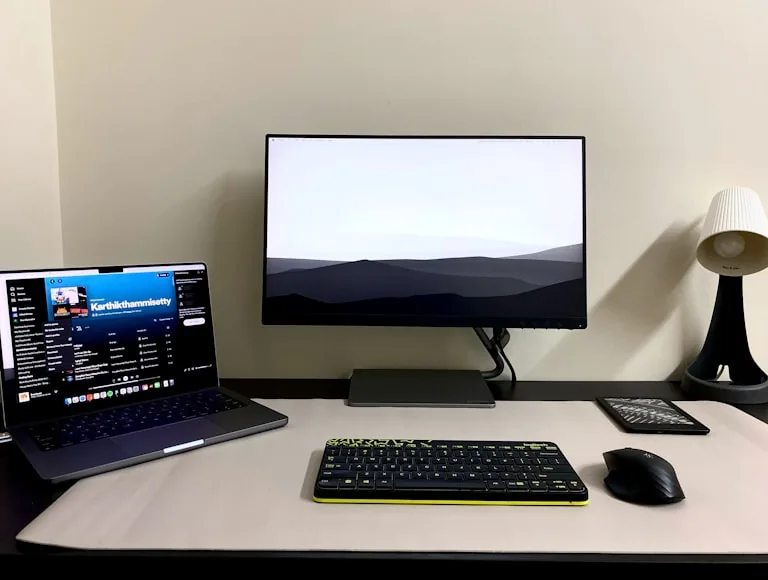
- choose a desk with practical depth before chasing width
- keep the chair visually lighter than a typical office task chair
- move storage upward or underneath instead of adding side furniture
- use lighting that does not steal the back corner of the desk
- let one side of the setup stay visually open
That is the cleanest apartment setup pattern.
Most small-space work corners become stressful when every fix adds one more object to the room instead of helping the existing footprint do more.
Respect the room's second job
The biggest difference between a small apartment and a generic small room is that the workspace usually has to disappear psychologically even when it cannot disappear physically.
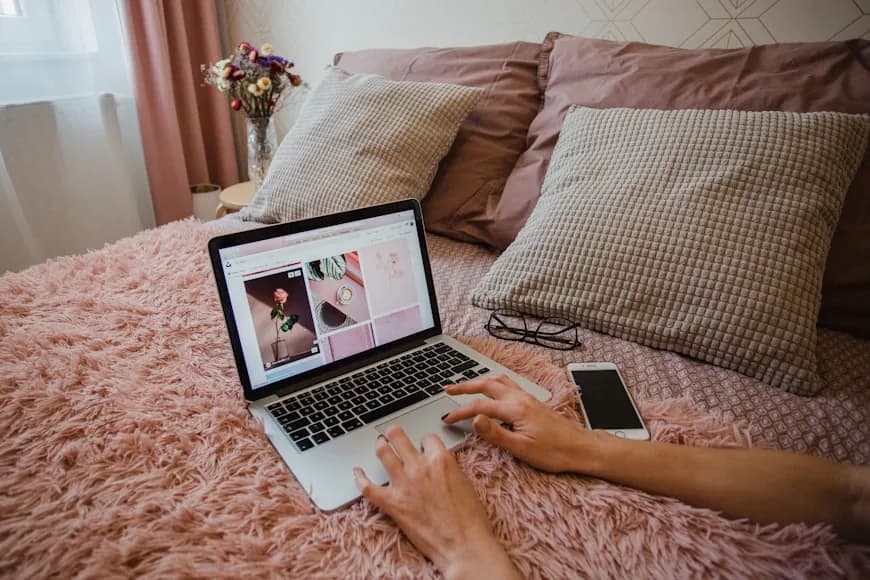
That means the desk corner still has to behave like part of a bedroom, part of a living room, or part of a studio apartment after work ends. Choices that are merely efficient during office hours can still be wrong if they make the room feel permanently converted.
That is why apartment-safe setups tend to reward lighter-looking chairs, renter-friendly storage moves, and fewer desk objects that visually project "office" into the rest of the room.
Start with the room, not the desk
In a small apartment, the desk is never just a desk.
It is also:
part of a bedroom; part of a living room; part of a studio wall; part of a shared walking path.
That means the first question is not “what features do I want?”
It is:
where can the setup live without making the room feel smaller all day?
That is why small-apartment desks usually work best when they sit:
against a wall instead of floating into the room; beside a window instead of blocking one; outside the main circulation path; far enough from the bed or sofa that the chair can still move without creating a permanent obstacle.
If you already know the desk has to live in a wall nook or mixed-use room, Compact desks that fit studio apartments is the better product-side companion.
Choose desk depth more carefully than desk width
People tend to obsess over width first because it is easier to picture.
In apartment setups, depth is often the bigger problem.
A desk that is too deep:
pushes farther into the room; makes the chair pull-back feel more intrusive; leaves less breathing room between the desk and the rest of the apartment.
A desk that is too shallow creates a different problem:
the monitor sits too close; the keyboard gets pushed to the front edge; the whole desk starts feeling cramped even when it looks tidy.
That is why the most believable apartment desks usually land in a more disciplined middle zone instead of going as large as possible.
If you need the product side of that choice, Standing desks that fit small spaces and How wide should a desk be for one monitor and a laptop? are the two most useful follow-ups.
Treat the chair like part of the room
This is where a lot of apartment setups quietly lose.
The chair is often the most visually aggressive object in the whole workspace.
A heavy office chair can make the corner feel temporary, cluttered, or more corporate than the rest of the apartment. That does not mean you should buy a bad chair just because it looks lighter. It means the chair has to solve two problems at once:
support daily work; tuck into a shared room without visually taking it over.
That is why apartment-friendly chairs tend to work better when they have:
a cleaner profile; arms that do not flare outward unnecessarily; a base that tucks under the desk without drama; a look that does not fight the rest of the room.
If room fit matters more than pure ergonomic adjustment range, Office chairs that fit small home offices is the direct next read. If back support is the main concern, Ergonomic office chairs for lower back support is the better companion.
Use vertical storage before you add another piece of furniture
Small apartments punish sideways sprawl.
That is why the smartest workspace upgrades usually add function without widening the footprint.
The cleanest examples are:
a monitor riser that creates under-screen storage; an under-desk drawer that keeps small items off the surface; a desk shelf that turns the back edge into a second working plane; a cable tray or under-desk power strip that keeps adapters off the desk.
These kinds of changes work better in apartments because they do not ask for:
a second side table; a rolling cart; a bigger organizer sitting beside the keyboard.
If your surface already feels overstuffed, How to set up a small desk without losing usable space is still the best general layout guide. If the monitor zone is the messiest part, Monitor risers that improve posture and desk organization and Desk shelves that work on small desks are the clearest category follow-ups.
Solve lighting without giving away the back corner
Lighting matters more in apartments because the same room often shifts between work mode and living mode.
The wrong lamp can make the desk feel bigger than it is.
The better move is usually one of these:
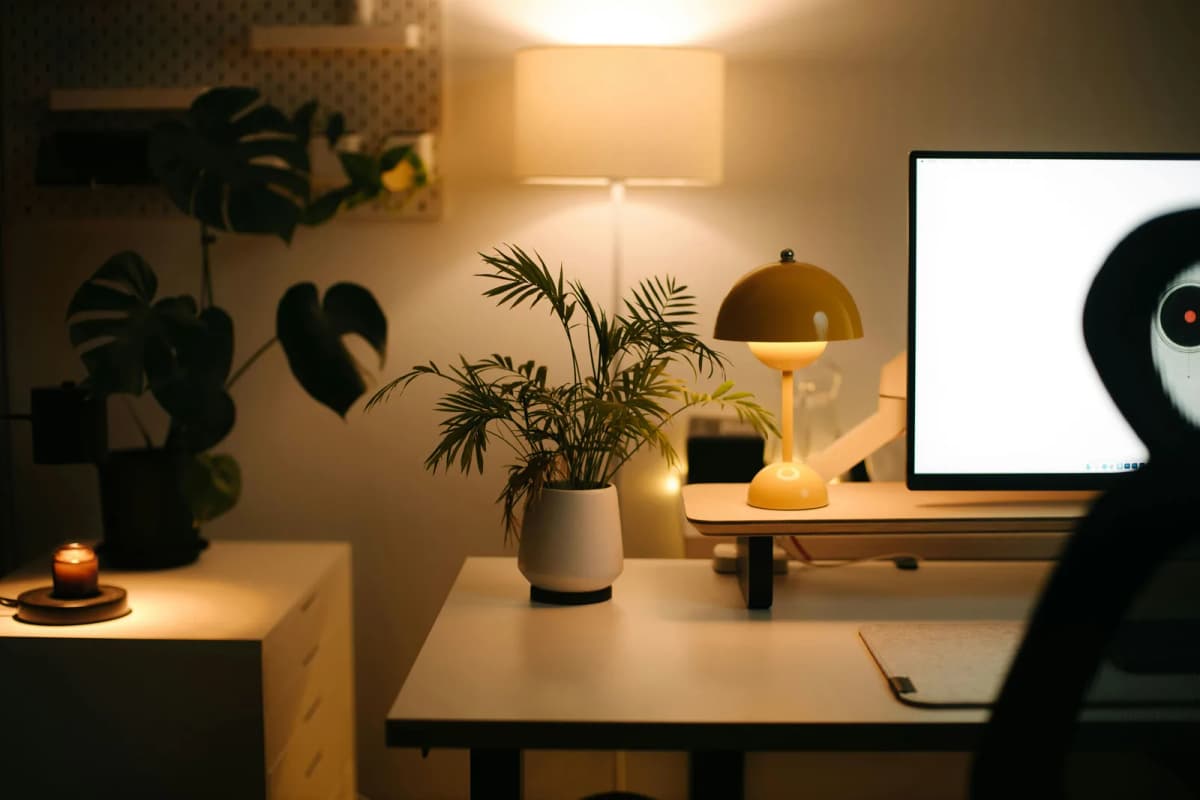
a monitor light bar; a slim lamp that can live at the edge; a shelf or side light that supports the desk without sitting directly on it.
This is why monitor-mounted lighting works so well in compact apartments. It improves the work surface without asking for another base, another arm, or another visual object taking up the corner of the desk.
If the main question is whether a light bar actually makes more sense than a standard lamp, Do you need a monitor light bar if you already have a desk lamp? is the cleaner decision page.
Keep one zone open on purpose
The setups that feel most expensive in small apartments usually do one thing very well:
they leave some part of the desk or wall visually open.
That matters because a small workspace can feel crowded long before it is actually full.
A calmer apartment setup usually keeps:
one edge of the desk cleaner than the other; the wall behind the monitor relatively simple; accessories grouped into one or two disciplined zones instead of scattered evenly everywhere.
This is not minimalism for its own sake.
It is how the desk stops looking like a pile of separate objects and starts reading like one intentional part of the room.
Three apartment setup patterns that usually work
1. The wall-nook setup
Best for:
bedrooms; hallway-like corners; narrow side walls.
Keep the desk compact, tuck the chair fully in, use under-desk or under-monitor storage first, and avoid anything that needs a second piece of furniture beside the desk.
2. The living-room blend-in setup
Best for:
shared spaces; desks visible from the sofa or dining area.
Use a cleaner-profile chair, quieter cable routing, and fewer visible accessories. The goal here is not just function. It is visual restraint.
3. The studio one-wall setup
Best for:
single-room apartments; setups that sit near the bed.
The desk needs to feel believable as furniture, not just gear. Lighting, cable cleanup, and chair profile matter almost as much as ergonomics because the setup is always in view.
The simplest apartment-safe formula
If you want one practical formula instead of a dozen mood-board ideas, this is the one to use:
one compact desk with believable room fit; one chair that supports work without looking bulky; one monitor solution that adds height and removes clutter; one lighting choice that does not steal usable surface area; one storage layer above or below the desk instead of beside it.
That combination usually gets you farther than chasing a bunch of separate “small space accessories.”
Where people usually get this wrong
choosing a desk that looks compact online but is too deep in the room; letting the chair become the most visually dominant object in the apartment; solving clutter with more tabletop organizers instead of layered storage; using a lamp base that steals the only free corner; trying to make the workspace look “fully featured” instead of making it feel believable.
The strongest apartment workspaces usually feel a little restrained.
That restraint is exactly what makes them work.
Related reading
- How to work from a bedroom without making it feel like an office
- 7 small home office mistakes that make your setup feel worse
- How to plan a home office in a small room before you buy anything
- Why your small desk setup still feels cramped
- How to set up a small desk without losing usable space
- Compact desks that fit studio apartments
- Office chairs that fit small home offices
- Standing desks that fit small spaces
- Monitor risers that improve posture and desk organization
- Do you need a monitor light bar if you already have a desk lamp?