
The funny thing about home office shopping is that almost everything feels justified in the moment.
A better lamp sounds sensible. A desk shelf looks organized. A new keyboard promises a fresh start. For a few weeks, nearly every purchase can feel like progress.
Then a year passes, and the story gets simpler.
The things that still feel worth it are usually not the most photogenic things on the desk. They are the purchases you stop noticing because they keep a daily irritation from coming back. They hold the monitor where it should be. They keep your body from getting angry at 3 p.m. They make the room usable after sunset. They remove one recurring annoyance so completely that you only remember them when you work somewhere else and miss them.
That is the standard used here: not "Was this exciting to buy?" but "If this disappeared tomorrow, would I replace it quickly?"
If you want the opposite side of this argument, What not to buy first for a workspace setup covers the purchases that often feel smart at checkout and underwhelming later.
The shortest version
After 12 months, the purchases that still feel justified are usually the ones that solved a stubborn problem rather than decorated around it.
That usually means better support for your body, a cleaner screen position, lighting you can control, input devices that disappear into the work, and a small amount of cable or power management that keeps the setup from feeling chaotic.
The pattern is boring, which is exactly why it holds up.
1.A chair that stops being an issue
The purchases people defend most strongly after a year are often the least glamorous ones. A good chair is the clearest example.
Not because everybody suddenly becomes a chair enthusiast, but because a bad chair keeps reintroducing itself. You feel it in your lower back, in the pressure behind the thighs, in the way your shoulders never quite settle, in the little ritual of standing up and resetting yourself every hour. A good chair does something more modest and more valuable: it fades into the background.
That is what "worth it after 12 months" really means here. The chair is not impressive anymore. It is just dependable. It fits the desk, the room, and your body well enough that it stops consuming mental energy.
This does not always mean buying the most expensive chair in the category. It means buying one that genuinely solves the fit problem you were living with. In a lot of setups, the winner is simply the chair that lets you sit fully back, keep your feet supported, and work for a few hours without negotiating with your own posture.
If the chair is still one of the first things you would replace after a year, it earned its place.
If you are still trying to work out whether the problem is really the chair or the workstation around it, What to fix first when your workspace feels uncomfortable and Should you buy a better chair, a bigger desk, or a monitor arm first? are the right next reads.
2.A way to get the screen where it belongs
This is the category that surprises people. Screen position seems like a small detail until you live with the wrong one for months.
When the monitor is too low, too close, or planted on a stand that steals half the usable depth of the desk, the problem spreads everywhere. Your neck changes position. Your keyboard ends up too close to the edge. The whole desk starts feeling shallower than it really is. That is why a monitor arm, riser, or better stand can still feel like money well spent long after the excitement of installing it is gone.
The key is not the hardware itself. The key is that the screen stops dictating the entire layout. Once the monitor sits at a workable height and distance, the desk starts behaving like a desk again.
That is why people keep defending this purchase after a year. It is not about owning a neat arm. It is about getting the primary screen into the right place and getting usable depth back.
If your current setup still feels crowded even when it is tidy, Why your small desk setup still feels cramped and Monitor arms that work on small desks go deeper on this.
3.Lighting that makes the room easier to work in
Lighting is one of the easiest categories to underestimate because bad lighting can feel normal until you fix it.
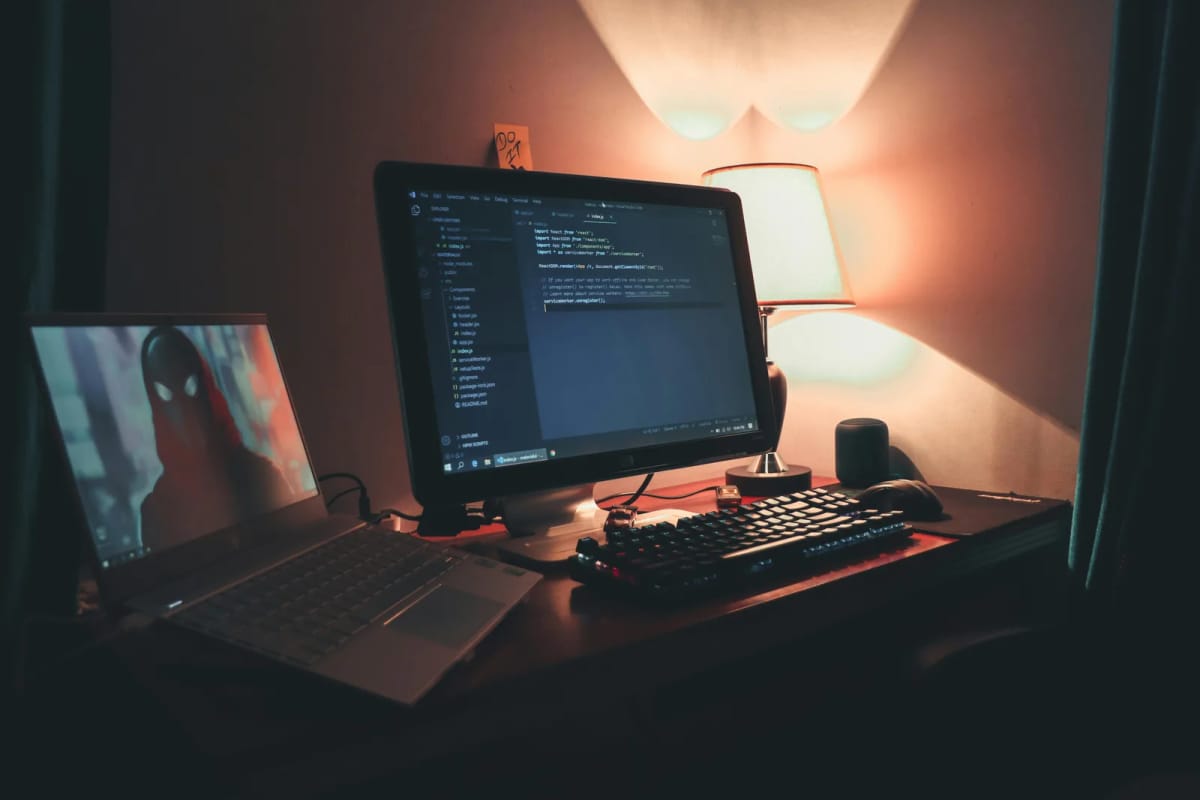
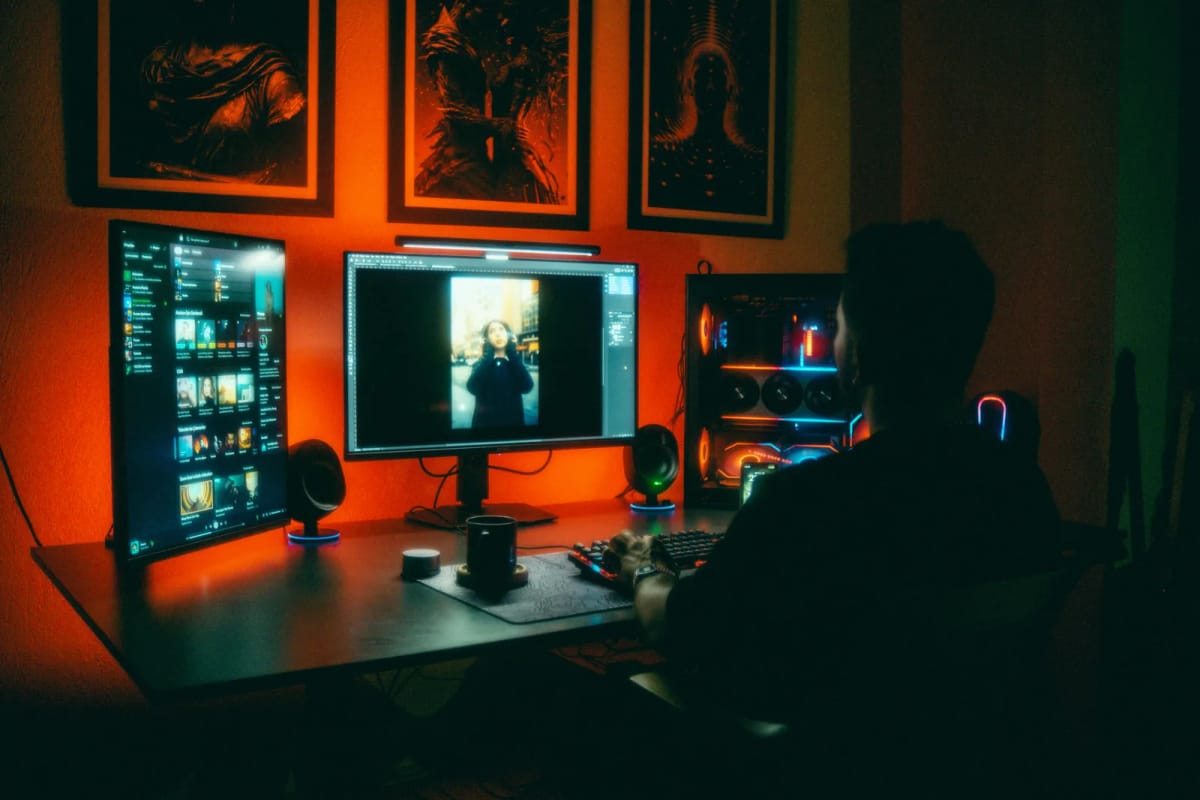
The purchase that lasts is rarely "cool lighting." It is the light that solves a recurring problem. The desk lamp that stops evening work from feeling murky. The light bar that reduces glare on a screen in a dim room. The warmer secondary light that keeps the room from feeling harsh when overhead lighting is doing too much.
After a year, good lighting tends to feel worth it for one simple reason: you keep using it. It becomes part of the opening routine of the workday and part of the recovery routine at night. Once you have a setup that does not force your eyes to work harder than they need to, it is hard to go back.
This is also where modest purchases can outperform bigger ones. A thoughtfully placed lamp can matter more than a more expensive decorative upgrade because it changes how usable the room feels every single day.
If lighting is the weak point in your setup, Desk lamps for eye strain and late-night work and How to place a desk lamp on a small desk without losing usable space are useful follow-ups.
4.A keyboard and mouse you no longer think about
This is less about chasing premium peripherals and more about removing friction from repetitive work.
The input devices that age well are the ones that quietly fit the job. They are reliable, comfortable enough for long stretches, and proportionate to the desk you actually have. They do not force your wrists into awkward positions. They do not keep dropping connection. They do not claim more space than the setup can spare. They simply stop slowing you down.
That sounds like faint praise, but it is exactly the point. A year later, people rarely rave about a keyboard because it looked impressive on day one. They stay loyal to the one that never became annoying.
For some people that means a smaller layout that gives the mouse room back. For others it means a keyboard with better feel, a mouse that suits the hand, or finally moving away from typing on a laptop keyboard all day. The specifics differ. The pattern does not. The worthwhile purchase is the one that makes long sessions feel calmer, not more performative.
If your input zone still feels cramped or tiring, How to position your keyboard and mouse for shoulder comfort and Do you actually need a full-size keyboard for work or is it just stealing mouse space? are worth reading next.
5.A small amount of cable and power cleanup
This is the least exciting category on the list, and one of the most believable.
Most people do not remember their cable management purchase with great emotion. They remember the difference between a desk that always feels one step away from a snag, a tangle, or a dangling charger and a desk that just works when they sit down.
That is why cable trays, under-desk power mounting, and a few honest routing fixes can still feel like good purchases after a year. They remove low-grade mess. They reduce accidental unplugging. They make cleaning easier. They stop the setup from looking and behaving more chaotic than it really is.
The trick is keeping this category in proportion. A little cable management ages well because it reduces drag. A large pile of organization gadgets often does not.
If this is your pain point, Cable management products for cleaner desk setups and Under-desk power strips for cleaner cable runs are the practical next steps.
What usually stops feeling worth it
The purchases that fade fastest are usually the ones that were asked to create a feeling instead of solve a problem.
That can mean decorative accessories bought before the desk was working properly, "space-saving" products that did not actually solve the layout, or aesthetic upgrades that made the setup look more complete without making it easier to use. They are not always bad purchases. They just tend to be easier to admire than to miss.
That is the real divide after a year. The lasting purchases remove friction. The forgettable ones mostly add identity.
Bottom line
The home office purchases that still feel worth it after 12 months are usually the ones that made ordinary work less annoying.
Not the most dramatic ones. Not the most expensive ones. Not the ones that made the desk look finished fastest.
The winners are the purchases that solved one stubborn, daily problem well enough that you would replace them without much debate: a chair that fits, a screen setup that behaves, lighting that helps, input tools that settle down, and just enough cable cleanup to keep the whole thing calm.